Extend Your Harvest: Freeze Bok Choy for Delicious Udon Soups
Imagine enjoying the crisp, peppery goodness of fresh bok choy in a steaming bowl of udon noodle soup, even when the season for this delightful green has long passed. Whether you're a gardener with an abundant harvest or a savvy shopper stocking up on a sale, the struggle of using up fresh bok choy before it wilts is real. The good news? You absolutely can freeze bok choy, transforming it from a fleeting seasonal delight into a year-round culinary staple, especially for your favorite udon creations. This comprehensive guide will walk you through the simple steps on
how to freeze bok choy to use in udon soup, ensuring you have a steady supply of this nutritious vegetable ready for those comforting, cold-weather meals.
Why Freeze Bok Choy for Your Udon Soups?
Fresh bok choy, with its vibrant green leaves and tender white stalks, is a fantastic addition to many dishes. However, its shelf life in the refrigerator is often just a few days before it starts to lose its vitality. Freezing offers a brilliant solution, extending its usability for up to 8-12 months, allowing you to enjoy its benefits long after it's been harvested or purchased.
For udon soup lovers, this preservation method is a game-changer. Having pre-portioned frozen bok choy means:
- Unparalleled Convenience: No last-minute grocery runs for fresh greens.
- Reduced Food Waste: Prevent precious produce from wilting away unused.
- Year-Round Enjoyment: Savor the unique flavor and texture of bok choy even when it's out of season.
- Nutritional Benefits: Bok choy is packed with vitamin C, fiber, and antioxidants, and freezing helps retain much of its nutritional value, ensuring your udon soup is as healthy as it is delicious.
It's important to note that freezing does alter the texture of bok choy slightly. The water content within its cells forms ice crystals, which can cause the cell walls to break down, resulting in a softer texture upon thawing. However, for cooked dishes like udon soup, this softened texture is actually ideal. It absorbs the rich broth beautifully and becomes tender without being mushy, complementing the chewy udon noodles perfectly. This is why bok choy holds up remarkably well to freezing when destined for a hot, savory soup.
The Ultimate Guide: How to Freeze Bok Choy for Udon Soup
Preparing bok choy for the freezer is a straightforward process that requires just a few key steps to ensure optimal results.
Preparing Your Bok Choy for Freezing
- Thorough Washing: Begin by washing your bok choy thoroughly under cold running water. Pay special attention to the base and between the stalks, where dirt and grit can often accumulate. A good wash is crucial to ensure clean greens.
- Complete Drying: This step is perhaps the most critical for preventing mushiness. After washing, you must get your bok choy as dry as possible. You can air dry it on a clean kitchen towel, use a salad spinner, or gently pat each piece dry with a cotton towel or paper towels. Excess moisture will turn into ice crystals, leading to a more watery and mushy texture when cooked.
- Trimming the Stem: Once dry, chop off about 1 inch from the very bottom of the stem. This part can be tough and fibrous. Discard or compost it, leaving the tender, edible portions.
- Whole or Cut: For udon soup, many prefer freezing bok choy whole or halved, as it presents beautifully in the bowl and cooks down nicely. This method also minimizes preparation time. However, if you prefer smaller pieces, you can certainly chop it into uniform sizes before freezing. Freezing it whole, as discussed in How to Freeze Bok Choy Whole for Udon Soup Without Mushiness, is a fantastic way to maintain its integrity for noodle dishes.
Packaging and Storage for Optimal Freshness
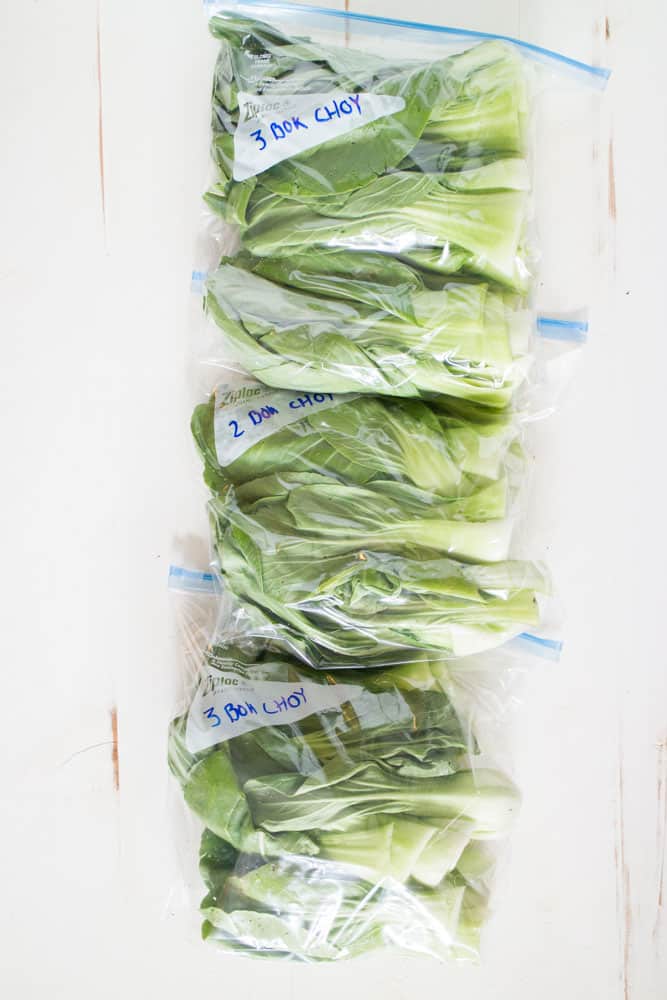
- Portioning: Think about how much bok choy you typically use in one serving of udon soup. A good rule of thumb is to bag 2-3 small bok choy plants (or a comparable amount if using larger varieties or chopped pieces) in a gallon-sized freezer bag. This allows for convenient, single-use portions.
- Remove Air: Before sealing, press out as much air as possible from the freezer bag. Air is the enemy of frozen food, contributing to freezer burn and compromising quality. Using a straw to suck out the last bit of air, or a vacuum sealer, can be very effective.
- Label and Date: Always label your freezer bags with the contents (e.g., "Bok Choy for Udon") and the date it was frozen. This helps you keep track of your inventory and ensures you use it within its optimal freezer life.
- Freeze Solid: Place the bags in the coldest part of your freezer. Once frozen solid, they can be stacked to save space.
Blanching: To Blanch or Not to Blanch?
While blanching is a common method for freezing many vegetables to preserve color, texture, and nutrients, it's often an optional step when it comes to bok choy intended for udon soup.
- Skipping Blanching: For bok choy destined for soup, skipping blanching can simplify the process and still yield excellent results, especially if you prefer a slightly crispier (though still tender) texture. The direct cooking in hot broth is often sufficient. This method aligns with the primary reference that suggests freezing whole bok choy directly after washing and drying.
- Blanching Option: If you want to maximize nutrient retention and potentially achieve a slightly firmer texture in some applications, you can blanch your bok choy for 1-2 minutes in boiling water, followed by an immediate ice bath to stop the cooking. Pat it *very* dry before freezing. While not strictly necessary for udon soup, it's a valid technique if you prefer.
From Freezer to Flavorful Udon: Cooking with Frozen Bok Choy
The magic of frozen bok choy truly comes alive when you cook it. The key to success with frozen bok choy in your udon soup is simple: do *not* thaw it beforehand.
When you're ready to enjoy a comforting bowl of udon soup, prepare your broth as usual. Whether you're making a rich dashi-based broth, a savory miso soup, or a spicy Hot and Sour Udon Soup (a fantastic use for frozen bok choy!), bring your broth to a rolling boil.
Once the broth is vigorously simmering, take your desired portion of frozen bok choy directly from the freezer and carefully drop it into the boiling liquid. There's no need to thaw it; the hot broth will quickly cook it through. Cook for approximately 5 minutes, or until the stems are tender and the leaves are wilted and vibrant green. The bok choy will release a bit of its natural moisture into the soup, enhancing the flavor of the broth. Serve immediately with your udon noodles and any other desired toppings. For more tips on making delicious udon year-round, check out
Freeze Bok Choy for Fresh Udon Soup All Year: A Simple Guide.
Troubleshooting and Expert Tips for Freezing Bok Choy
- Preventing Mushiness: The single most important factor in preventing mushy bok choy is ensuring it is bone-dry before freezing. Any residual water will form large ice crystals that damage cell walls. Also, remember to cook it directly from frozen into hot liquid.
- Avoiding Freezer Burn: Freezer burn occurs when food is exposed to air, leading to dehydration and flavor loss. Always squeeze out as much air as possible from your freezer bags and use airtight containers if possible. Double-bagging can also offer extra protection.
- Maintaining Flavor and Nutrients: Freezing bok choy quickly (by placing it in the coldest part of your freezer) and storing it correctly helps to lock in its flavor and beneficial nutrients for longer.
- Versatility Beyond Udon: While this guide focuses on how to freeze bok choy to use in udon soup, remember that your frozen bok choy is also excellent in other Asian-inspired soups, stir-fries, ramen, or even braised dishes. Its tender texture after freezing makes it suitable for any cooked application where a slightly softer green is desired.
In conclusion, freezing bok choy is an incredibly practical and rewarding way to extend its shelf life and ensure you always have this healthy and delicious vegetable on hand. By following these simple steps – thorough washing and drying, proper trimming, and effective packaging – you can effortlessly transform your fresh bok choy into a convenient freezer staple. Say goodbye to wasted produce and hello to countless bowls of comforting, flavorful udon soup, enriched with your homegrown or market-fresh bok choy, no matter the season. Embrace this method, and you'll find yourself enjoying the bounties of your harvest all year long!