Mastering the Art of Freezing Bok Choy Whole for Sublime Udon Soups
Do you often find yourself with an abundance of fresh bok choy, perhaps from a bountiful garden harvest or a great deal at the market? The dilemma is real: enjoy it all now, or watch it wilt away? Fear not, fellow food enthusiasts! We're here to share the ultimate guide on how to freeze bok choy to use in udon soup, ensuring every vibrant leaf and tender stem remains perfectly intact, ready to transform your favorite Japanese noodle dish into a year-round delight.
Imagine this: a chilly evening, a steaming bowl of comforting udon soup, and perfectly tender, non-mushy bok choy adding a burst of green and subtle flavor. This isn't just a dream; it's entirely achievable with the right freezing technique. While many methods suggest cutting bok choy before freezing, we're diving into the art of preserving it whole. This approach offers a more satisfying presentation and texture, especially when served in hearty noodle soups like udon.
Why Freeze Bok Choy Whole for Your Udon Soup? Beyond Freshness
Freezing bok choy is a culinary superpower, offering far more than just extending its shelf life. It’s about securing a supply of this nutritious green for those moments when fresh produce might be scarce or expensive. Bok choy, with its delicate leaves and crisp stems, is a powerhouse of vitamins (C and K), fiber, and antioxidants, and freezing helps lock in these vital nutrients.
But why go through the effort of freezing it *whole*? For udon soup and other Chinese-style noodle dishes, the aesthetic and textural contribution of whole bok choy is undeniable. It adds a visual elegance to your bowl, looking more substantial and appealing than pre-cut pieces. Furthermore, cooking whole bok choy directly from frozen can help it retain a better bite and prevent it from becoming overly soft or watery, a common pitfall with improperly frozen greens. This method ensures that the bok choy doesn't just add nutrition but also enhances the overall eating experience of your udon soup, making it a feast for both the eyes and the palate.
This preservation technique also aligns perfectly with sustainable kitchen practices, significantly reducing food waste. Instead of rushing to consume a large batch of bok choy before it spoils, you can thoughtfully prepare and store it, ensuring you have healthy greens on hand for months to come. Think of it as giving your bok choy a cold, refreshing vacation, ready to jump into action whenever your udon cravings strike.
The Secret to Freezing Bok Choy Whole Without Mushiness
The number one enemy of frozen vegetables is mushiness, caused by ice crystals rupturing cell walls during freezing and thawing. The good news is, with bok choy, this can be largely circumvented with a few strategic steps. The core philosophy is simple: minimize moisture before freezing and avoid thawing before cooking.
- Moisture is the Foe: Excess water on the surface of your bok choy turns into large ice crystals, which do the most damage to cell structures. This is why thorough drying is paramount.
- Rapid Freezing: The quicker your bok choy freezes, the smaller the ice crystals will be, leading to less cellular damage and a better texture upon cooking.
- Direct-to-Boil Method: For udon soup, the magic lies in adding the bok choy directly from the freezer into boiling broth. This rapid cooking prevents the bok choy from sitting in a thawing state, which is when mushiness typically occurs. The intense heat quickly cooks the vegetable, preserving its structure as much as possible.
By understanding these principles, you're already halfway to enjoying perfectly frozen bok choy in your udon soup all year round, without a hint of that dreaded mushy texture.
Step-by-Step Guide: Freezing Whole Bok Choy for Perfect Udon
Ready to embark on your bok choy preservation journey? Follow these detailed steps to ensure your greens are perfectly prepared for future udon creations.
- Thorough Washing and Meticulous Drying: This is arguably the most crucial step. Gently wash each head of bok choy under cool running water, ensuring all dirt, especially from between the stems, is removed. Once clean, the drying process begins. You can air dry them on a clean kitchen towel or paper towels, allowing plenty of time for all moisture to evaporate. For quicker results, a salad spinner followed by patting dry with a cotton towel works wonders. Ensure your bok choy is completely dry – any residual water will form ice crystals and contribute to mushiness.
- Trimming the Stem: Using a sharp knife, carefully chop off about an inch from the very bottom of the bok choy stem. This removes the toughest, often discolored part and helps separate the individual stalks slightly, though you're keeping the head mostly intact. This trimmed portion can be composted.
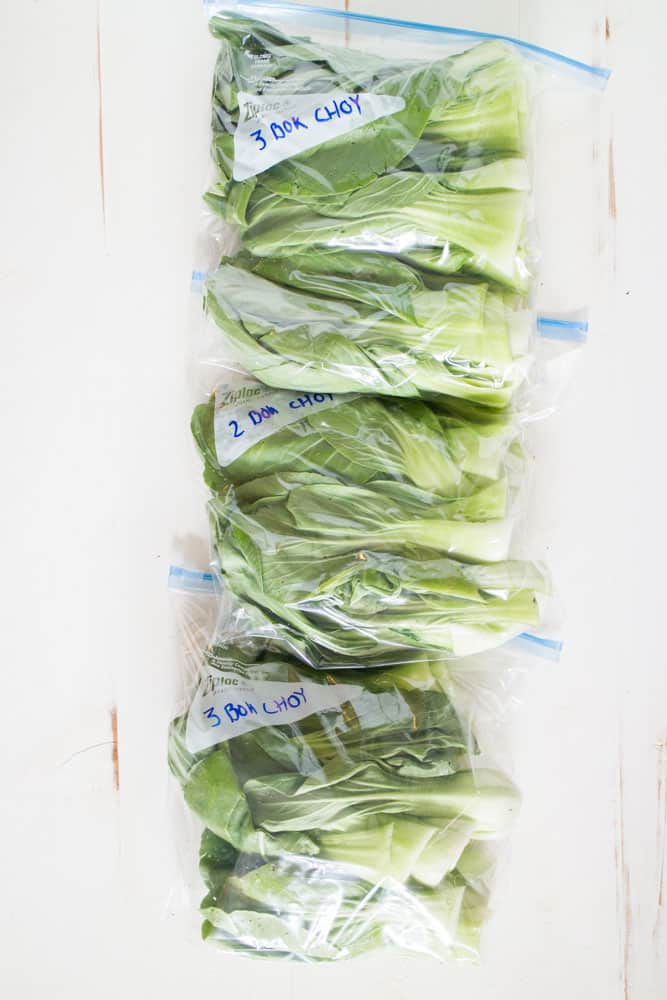
- Strategic Packaging for Preservation: The way you package your bok choy is key to preventing freezer burn and making future meal prep a breeze.
- Portioning: Consider how many heads of bok choy you typically use per bowl or pot of udon soup. For many, 2-3 small-to-medium bok choy plants are ideal for a single soup recipe. Bag them in these predetermined quantities.
- Freezer Bags are Your Friend: Place the dried, trimmed bok choy into high-quality freezer-safe bags (gallon-sized bags often work well for 2-3 heads).
- Remove Air: Squeeze out as much air as possible before sealing the bag. Air in the bag is a primary culprit for freezer burn, which can dry out and discolor your vegetables. A vacuum sealer is ideal if you have one, but manually pressing air out is also effective.
- Labeling: Don't forget to label your bags with the date of freezing. While frozen bok choy can last up to 8-12 months, knowing the freeze date helps you rotate your stock effectively.
- The Freezing Process: Place the packaged bok choy flat in the coldest part of your freezer. Spreading them out initially, rather than stacking, helps them freeze faster and more evenly, again minimizing ice crystal formation.
These careful preparations will ensure your bok choy is ready for its ultimate destiny in a delicious bowl of udon.
From Freezer to Bowl: Cooking Frozen Whole Bok Choy in Udon Soup
Now for the exciting part – transforming your perfectly preserved bok choy into a delectable component of your udon soup. The golden rule here is DO NOT THAW. Thawing before cooking will likely lead to the mushy texture we've worked so hard to avoid.
When you're ready to enjoy your udon soup:
- Prepare Your Broth: Get your udon soup broth simmering and boiling. Whether it's a rich dashi, a savory chicken broth, or a spicy miso base, ensure it's at a rolling boil.
- Direct Immersion: Take your pre-portioned bag of frozen whole bok choy directly from the freezer and carefully drop the frozen heads into the boiling broth.
- Cook for Perfection: Allow the bok choy to cook for approximately 5 minutes. The intense heat will quickly rehydrate and cook the bok choy, maintaining its structure and vibrant green color. Keep an eye on it; you want it tender-crisp, not overly soft.
- Combine with Udon: Add your cooked udon noodles and any other ingredients to the soup, allowing everything to meld together for a final minute or two.
The result? Beautifully tender, flavorful, and visually appealing whole bok choy that elevates your udon soup from good to gourmet. This method is incredibly convenient for a quick weeknight meal, allowing you to extend your harvest and enjoy fresh-tasting greens whenever you crave them.
Conclusion: Your Year-Round Udon Companion
Freezing bok choy whole for your udon soup is not just a clever trick; it's a game-changer for anyone who loves this versatile green and desires convenience without compromising quality. By meticulously washing, thoroughly drying, properly packaging, and cooking directly from frozen, you can confidently enjoy tender, non-mushy bok choy in your favorite noodle dishes for up to a year. So go ahead, embrace the bounty, and stock your freezer with this essential ingredient. Your future self, craving a comforting bowl of udon, will thank you!
