Mastering the Art of Freezing Bok Choy for Year-Round Udon Soup Delights
Imagine a chilly autumn evening, and you're craving a steaming bowl of homemade udon soup, complete with tender, vibrant bok choy. But it’s not in season, or perhaps your garden bounty from last summer feels like a distant memory. What if we told you that you could enjoy that fresh-from-the-garden flavor all year long? The secret lies in learning how to freeze bok choy to use in udon soup effectively. It’s a simple, game-changing technique that transforms your seasonal surplus into a convenient, delicious staple, ready whenever the udon craving strikes.
Many home cooks and gardeners face the delightful dilemma of an abundant bok choy harvest. While it's fantastic to have so much, fresh bok choy has a limited shelf life. Rather than letting any of that crisp goodness go to waste, freezing offers a brilliant solution. This guide will walk you through a comprehensive, no-fuss method to freeze bok choy whole, specifically optimized for that perfect udon soup experience, ensuring it stays flavorful and retains a pleasing texture.
Why Freezing Bok Choy is Your Udon Soup's Best Friend
Beyond simply preventing waste, there are numerous compelling reasons to embrace freezing bok choy for your udon soup preparations:
- Seasonless Enjoyment: Fresh bok choy is often best in cooler months. Freezing allows you to extend your harvest and savor its delicate flavor and nutrients long after the growing season has ended. Whether you've planted over 90 bok choy plants like some enthusiastic gardeners or simply picked up a great deal at the market, freezing makes sure none of it goes bad before you can use it.
- Unparalleled Convenience: Having pre-portioned, frozen bok choy means less prep time on busy weeknights. Simply grab a bag from the freezer, and your udon soup addition is ready. It's perfect for spontaneous meal prep or when you need a quick, healthy green.
- Reduced Food Waste: Fresh bok choy only lasts a few days in the fridge before wilting. Freezing halts this process, locking in freshness for up to 8-12 months. This is a smart move for your wallet and the environment.
- Nutrient Preservation: While freezing can slightly alter texture, it effectively preserves the essential vitamins (like Vitamin C), fiber, and antioxidants that make bok choy such a healthy addition to your diet.
- Ideal for Cooked Dishes: The slight textural change that bok choy undergoes in the freezer (due to ice crystals forming and breaking cell walls) makes it less ideal for raw salads, but perfectly suited for cooked applications like stir-fries and, most notably, soups. In udon soup, a slightly softer texture is not only acceptable but often desirable, as it allows the bok choy to fully absorb the rich broth flavors.
Understanding the Freezing Process: Maximizing Texture and Flavor for Soup
Freezing works by slowing down the enzymes that cause spoilage. However, it's crucial to understand how freezing affects bok choy's texture. The water content within the leaves and stems transforms into ice crystals, which expand and can rupture cell walls. When thawed, this often leads to a softer, sometimes mushy texture compared to fresh. The good news is, for udon soup, this isn't a drawback but rather an acceptable characteristic that integrates beautifully into the dish. The key is to manage the moisture to prevent excessive mushiness and freezer burn.
One of the most important insights for successful freezing, especially for whole bok choy destined for soup, is to skip blanching. While blanching is often recommended for other vegetables to preserve color and stop enzyme action, for whole bok choy added directly to soup, it can actually contribute to a softer, less desirable texture. Our method focuses on minimal processing before freezing to maintain as much integrity as possible when it hits your hot broth. For more detailed information on preventing mushiness, check out our related article: How to Freeze Bok Choy Whole for Udon Soup Without Mushiness.
Your Step-by-Step Guide: How to Freeze Bok Choy to Use in Udon Soup
This simple method ensures your bok choy is perfectly preserved and ready to dive into your next hot bowl of udon.
1. Thorough Washing and Drying
- Wash with Care: Gently rinse your bok choy under cold running water, paying close attention to the base and between the stalks where dirt often accumulates. You want to remove all soil and any debris.
- Dry Completely: This is perhaps the most critical step to prevent ice crystal formation and freezer burn. Excess moisture will lead to a very mushy product.
- Air Dry: Lay the bok choy on a clean kitchen towel or paper towels for several hours, flipping occasionally, until completely dry.
- Towel Dry: For a quicker method, gently pat each stalk dry with a clean cotton towel.
- Salad Spinner: A salad spinner can be very effective in removing surface moisture quickly.
2. Trim the Stems
- Precision Cut: Using a sharp knife, chop off about 1 inch from the very bottom of the bok choy stem. This tough, fibrous part is generally discarded (or composted!). This also helps ensure that the more tender parts are what you're freezing.
3. Portion and Package for Freezing
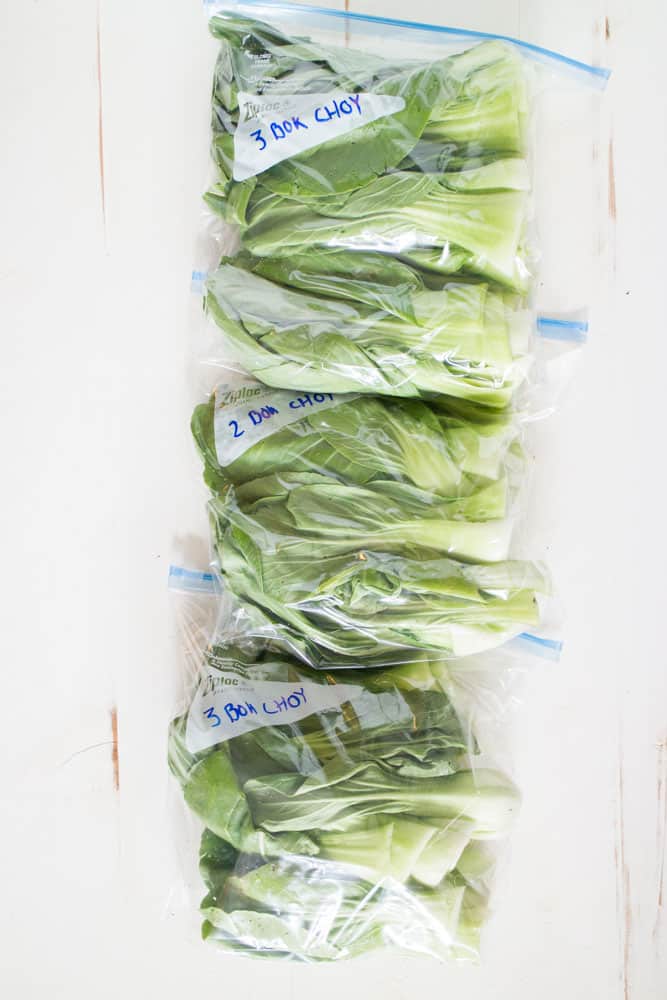
- Strategic Portioning: Think about how much bok choy you typically use in one udon soup recipe. For most individuals or small families, 2-3 whole bok choy plants fit perfectly into a gallon-sized freezer bag and make an ideal single-meal portion. If you're freezing baby bok choy, you might include more per bag.
- Airtight Packaging:
- Freezer Bags: Place your dried, trimmed bok choy into heavy-duty freezer bags. Arrange them carefully to minimize air pockets.
- Remove Air: This is vital for preventing freezer burn, which can lead to a dry, discolored, and unpalatable texture. Squeeze out as much air as possible from the bag before sealing it tightly. A straw can be used to suck out residual air, or a vacuum sealer is ideal if you have one.
- Label and Date: Always label your bags with the contents ("Bok Choy for Udon Soup") and the date it was frozen. This helps with inventory management and ensures you use the oldest items first.
4. Freeze Solid
- Flat Freeze: Lay the packaged bok choy flat in your freezer initially. This helps them freeze more uniformly and makes for easier stacking once solid.
- Long-Lasting Freshness: Properly frozen bok choy can last for 8 to 12 months, allowing you to truly enjoy your harvest throughout the fall and winter months, or whenever you crave that comforting bowl of udon.
Using Frozen Bok Choy in Your Udon Soup: The Magic Moment
This is where the convenience pays off! The beauty of freezing bok choy this way is that it doesn't require any thawing beforehand. In fact, thawing can often lead to a mushier result.
- Prepare Your Broth: Get your udon soup broth boiling vigorously. This could be a dashi-based broth, a savory chicken or vegetable broth, or even a spicy hot and sour broth designed for udon.
- Add Directly: Once your broth is at a rolling boil, simply take your frozen bok choy (still whole, as preferred for many Chinese-style noodle soups) directly from the freezer and plunge it into the hot liquid.
- Cook Briefly: Allow the bok choy to cook for about 5 minutes. The boiling water will quickly tenderize it, and it will absorb the flavors of your delicious broth.
- Assemble and Enjoy: Add your cooked udon noodles, other desired toppings, and serve immediately. The slightly softened, flavorful bok choy will be a perfect complement to the chewy noodles and rich broth.
Expert Tips for Maximizing Your Frozen Bok Choy Experience
- Don't Thaw: Seriously, avoid thawing the bok choy before adding it to your soup. The direct-to-boil method minimizes cell damage and prevents it from becoming overly soggy.
- Consider Baby Bok Choy: If you're freezing baby bok choy, the whole method works exceptionally well, and they cook even faster due to their smaller size.
- Portion for Purpose: Always freeze bok choy in amounts that you'll use for a single recipe. This prevents refreezing and helps maintain quality.
- Beyond Udon: While this guide focuses on how to freeze bok choy to use in udon soup, this method also works well for other cooked dishes like stir-fries (though you might want to chop it before freezing if using it this way) or other hearty Asian-inspired soups.
- Check for Freezer Burn: Although you've taken precautions, occasionally freezer burn can occur. If you notice large ice crystals or dry, discolored patches, trim those areas off before adding to your soup.
Freezing bok choy is a practical and rewarding way to ensure you always have this versatile, healthy green on hand. From extending your garden's bounty to making weeknight meals a breeze, knowing how to properly freeze bok choy for your udon soup will transform your culinary routine. Say goodbye to wasted produce and hello to fresh, flavorful udon soup whenever you desire!
By following these simple steps, you can effectively Extend Your Harvest: Freeze Bok Choy for Delicious Udon Soups and enjoy this vibrant vegetable in your favorite dishes all year round. Happy cooking!
